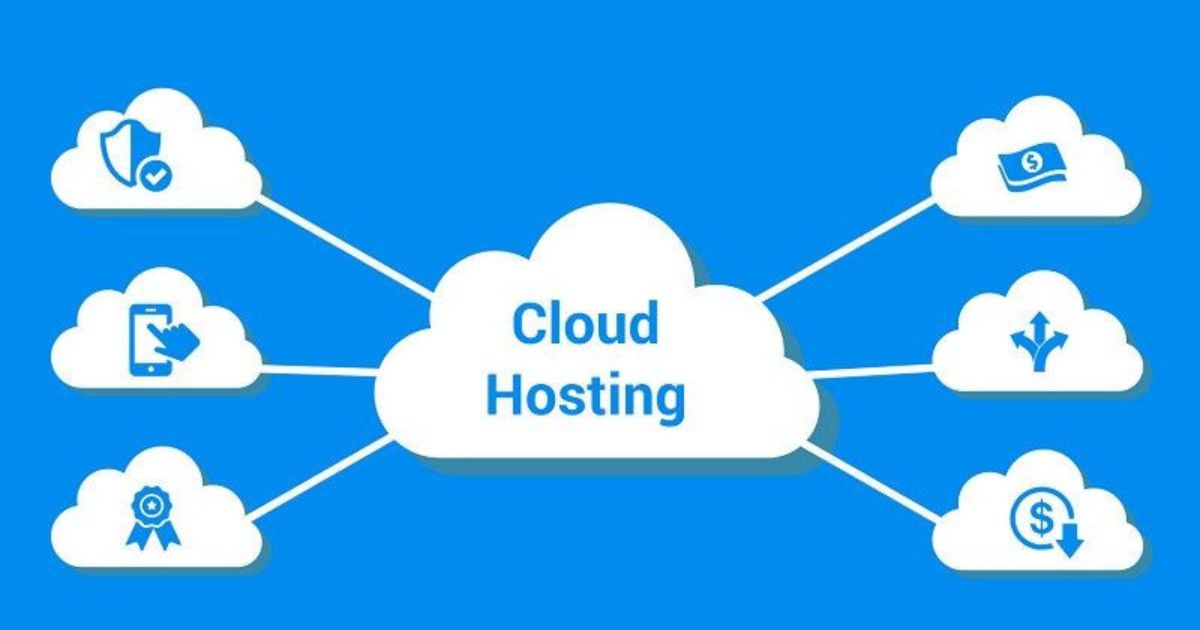
In today’s fast-paced digital world, having a reliable and high-performing website is no longer optional—it’s essential. Whether you run a small blog, an e-commerce store, or a large enterprise platform, your hosting solution plays a critical role in your online success. Over the past decade, one hosting solution has rapidly gained popularity and transformed how websites are managed: cloud hosting.
But what exactly is cloud hosting, and why are so many individuals and businesses making the switch?
In this in-depth guide, we’ll explore everything you need to know about cloud hosting—from how it works and its key benefits to why it’s becoming the go-to solution for modern websites.
Understanding the Basics of Cloud Hosting
Before diving into the benefits, it’s important to understand what cloud hosting actually is.
What Is Cloud Hosting?
Cloud hosting is a type of web hosting that uses a network of virtual servers hosted in the cloud rather than relying on a single physical server. Instead of storing your website’s data on one machine, cloud hosting distributes it across multiple interconnected servers.
This means your website can pull resources from several sources, ensuring better reliability and performance.
How Cloud Hosting Works
Cloud hosting operates through virtualization technology. Here’s how it works:
- A physical server is divided into multiple virtual servers
- These virtual servers are connected in a network (the cloud)
- Your website uses resources from this network rather than a single server
If one server fails, another immediately takes over—keeping your website online without interruption.
Traditional Hosting vs Cloud Hosting
To fully understand why cloud hosting is gaining traction, let’s compare it with traditional hosting models.
Shared Hosting
Shared hosting involves multiple websites sharing a single server’s resources.
Limitations:
- Limited performance
- Higher risk of downtime
- Less control
VPS Hosting
Virtual Private Server (VPS) hosting provides dedicated portions of a server.
Advantages:
- Better performance than shared hosting
- More control
Drawbacks:
- Still relies on a single physical server
Dedicated Hosting
Dedicated hosting gives you an entire server for your website.
Advantages:
- Maximum control
- High performance
Drawbacks:
- Expensive
- Not easily scalable
Cloud Hosting
Cloud hosting combines the best aspects of all these options:
- Scalable like VPS
- Reliable like dedicated hosting
- Flexible and cost-efficient
Why Everyone Is Switching to Cloud Hosting
The shift toward cloud hosting is not just a trend—it’s a response to real needs in modern web infrastructure.
Increased Reliability
One of the biggest reasons people switch to cloud hosting is reliability.
No Single Point of Failure
Traditional hosting relies on one server. If that server fails, your website goes down.
Cloud hosting eliminates this risk by:
- Distributing data across multiple servers
- Automatically rerouting traffic if one server fails
High Uptime Guarantees
Most cloud hosting providers offer uptime rates of 99.9% or higher.
Scalability on Demand
Modern websites often experience fluctuating traffic.
Handling Traffic Spikes
With cloud hosting, you can:
- Scale resources up during high traffic
- Scale down when traffic decreases
This ensures optimal performance at all times.
Pay-As-You-Go Model
You only pay for the resources you use, making it cost-efficient.
Improved Performance
Website speed is critical for user experience and SEO.
Faster Load Times
Cloud hosting improves speed by:
- Using multiple servers
- Reducing latency
- Delivering content from the nearest server
Better Resource Allocation
Resources are dynamically allocated, ensuring your site always performs well.
Enhanced Security
Security is a major concern for any website owner.
Data Redundancy
Your data is stored in multiple locations, reducing the risk of loss.
Advanced Protection
Cloud hosting often includes:
- Firewalls
- DDoS protection
- Regular backups
Cost Efficiency
Cloud hosting offers flexible pricing.
No Overpaying
Unlike dedicated hosting, you don’t need to pay for unused resources.
Affordable for All Sizes
From startups to enterprises, cloud hosting fits various budgets.
Key Features of Cloud Hosting
Understanding the features helps you see why it’s so powerful.
Load Balancing
Traffic is distributed across multiple servers to prevent overload.
Auto-Scaling
Resources automatically adjust based on demand.
High Availability
Your website remains accessible even during server failures.
Remote Accessibility
You can manage your hosting from anywhere in the world.
Who Should Use Cloud Hosting?
Cloud hosting is suitable for a wide range of users.
Small Businesses
- Affordable
- Scalable
- Easy to manage
E-commerce Websites
- Handles high traffic
- Ensures uptime during sales
Developers
- Flexible environment
- Supports multiple frameworks
Large Enterprises
- High performance
- Advanced security
Common Misconceptions About Cloud Hosting
Despite its popularity, some myths still exist.
“Cloud Hosting Is Too Expensive”
In reality, it’s often more cost-effective due to flexible pricing.
“It’s Only for Large Companies”
Cloud hosting is accessible to businesses of all sizes.
“It’s Complicated”
Most providers offer user-friendly dashboards and support.
Potential Drawbacks of Cloud Hosting
While cloud hosting offers many benefits, it’s not perfect.
Dependency on Internet Connectivity
You need a stable internet connection to manage your hosting.
Variable Costs
Costs can increase if resource usage spikes significantly.
Learning Curve
Beginners may need time to understand advanced features.
How to Choose the Right Cloud Hosting Provider
Not all providers are the same.
Factors to Consider
- Performance and uptime
- Pricing structure
- Security features
- Customer support
Questions to Ask
- Does the provider offer scalability?
- What security measures are included?
- Is support available 24/7?
The Future of Cloud Hosting
Cloud hosting continues to evolve rapidly.
Integration with AI
Artificial intelligence is improving:
- Resource allocation
- Security monitoring
- Performance optimization
Edge Computing
This technology reduces latency by processing data closer to users.
Growing Adoption
More businesses are expected to adopt cloud hosting as digital demands increase.
Final Thoughts
Cloud hosting has fundamentally changed the way websites are hosted and managed. Its flexibility, scalability, and reliability make it an ideal choice for modern businesses and individuals alike.
As more people recognize its advantages, the shift toward cloud hosting will only continue to grow. Whether you’re launching a new website or upgrading an existing one, cloud hosting offers a future-proof solution that adapts to your needs.