Introduction
Businesses in 2026 are operating in an environment defined by speed, personalization, and data. Customers are no longer satisfied with generic interactions or delayed responses. They expect businesses to understand their needs, anticipate their preferences, and deliver value at every stage of the journey. For small and medium-sized businesses especially, meeting these expectations can feel overwhelming without the right systems in place.
Customer Relationship Management (CRM) software has become a cornerstone of modern business strategy. It is no longer a luxury reserved for large enterprises—it is a necessity for any business that wants to grow sustainably and compete effectively. CRM tools help organizations manage customer data, streamline communication, and automate processes, all while providing valuable insights that drive smarter decisions.
This article explores what CRM is, how it works, and why your business needs it to increase revenue in 2026. You will also learn how CRM systems contribute to sales growth, customer retention, operational efficiency, and long-term profitability.
Understanding CRM: A Complete Overview
What Does CRM Mean?
Customer Relationship Management (CRM) refers to both a strategy and a technology used to manage interactions with customers and prospects. At its core, CRM is about building stronger relationships with customers to improve satisfaction, loyalty, and revenue.
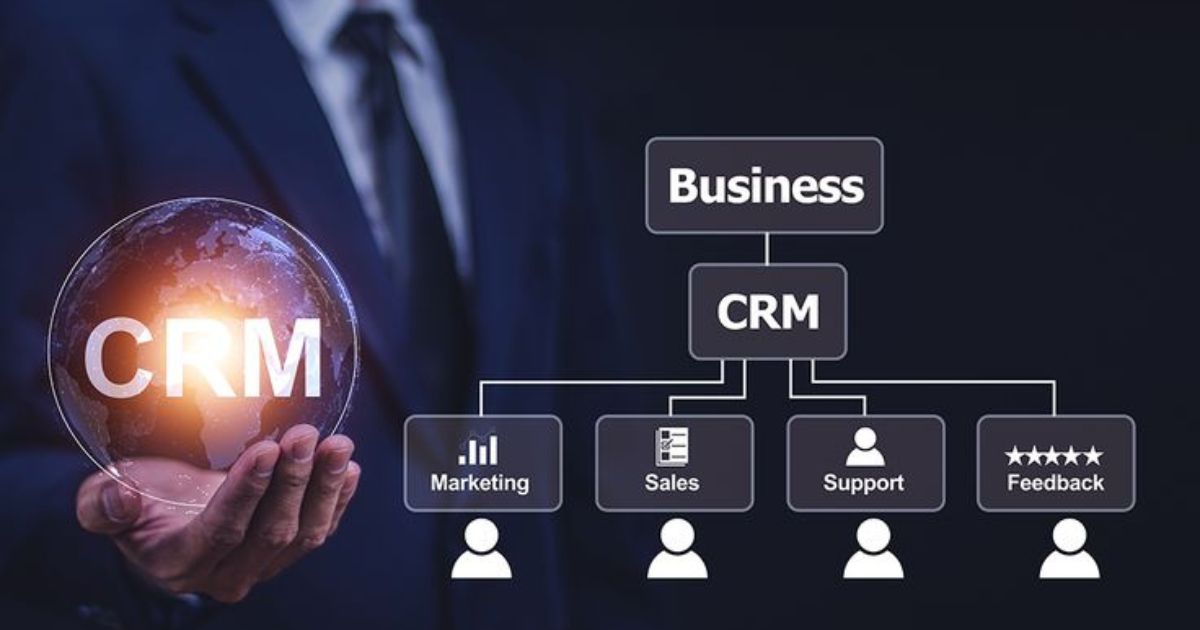
CRM software acts as a centralized hub where businesses can store customer information, track communication, and manage workflows across sales, marketing, and customer support teams.
The Evolution of CRM
CRM systems have evolved significantly over the past two decades. Initially, they were simple databases used to store customer contact information. Today, they are sophisticated platforms powered by artificial intelligence, automation, and advanced analytics.
In 2026, CRM platforms offer features such as predictive insights, real-time data synchronization, omnichannel communication, and seamless integrations with other business tools. This evolution has made CRM an indispensable asset for businesses of all sizes.
CRM as a Business Strategy
Beyond software, CRM represents a customer-centric approach to doing business. It emphasizes understanding customer needs, delivering personalized experiences, and maintaining consistent engagement throughout the customer lifecycle.
How CRM Works
Centralized Customer Data Management
One of the primary functions of CRM software is to collect and organize customer data in a single location. This includes:
- Contact details
- Purchase history
- Communication records
- Preferences and behavior
Having this information readily accessible allows teams to provide better service and make informed decisions.
Automation of Business Processes
CRM systems automate repetitive tasks such as:
- Sending follow-up emails
- Scheduling appointments
- Assigning leads to sales representatives
- Updating records
Automation not only saves time but also reduces the risk of human error.
Sales Pipeline Management
CRM tools provide a visual representation of the sales pipeline, allowing businesses to track deals from initial contact to final conversion. This visibility helps identify bottlenecks and optimize the sales process.
Integration with Other Tools
Modern CRM platforms integrate with various tools, including:
- Email marketing platforms
- Accounting software
- E-commerce systems
- Social media channels
These integrations ensure seamless data flow and improved efficiency.
Types of CRM Systems
Operational CRM
Operational CRM focuses on automating and improving customer-facing processes such as sales, marketing, and support.
Key Features
- Lead management
- Marketing automation
- Customer service tools
Analytical CRM
Analytical CRM is designed to analyze customer data and provide insights that support decision-making.
Key Features
- Data analytics
- Customer segmentation
- Predictive modeling
Collaborative CRM
Collaborative CRM enhances communication and collaboration between different departments.
Key Features
- Shared customer data
- Communication tools
- Team collaboration features
Why CRM Is Essential for Businesses in 2026
Increasing Competition
The business landscape in 2026 is more competitive than ever. Companies must differentiate themselves through superior customer experience. CRM systems enable businesses to deliver consistent and personalized interactions.
Rising Customer Expectations
Customers expect fast responses, tailored recommendations, and seamless experiences. CRM tools help businesses meet these expectations by providing real-time insights and automation.
Data-Driven Decision Making
Data is one of the most valuable assets for businesses today. CRM systems collect and analyze data, enabling organizations to make informed decisions that drive growth.
Remote and Hybrid Work Environments
With the rise of remote work, businesses need tools that facilitate collaboration and accessibility. Cloud-based CRM platforms allow teams to work efficiently from anywhere.
How CRM Increases Revenue
Improved Lead Management
CRM systems help businesses capture, track, and nurture leads effectively. By organizing leads and prioritizing high-value prospects, businesses can increase conversion rates.
Enhanced Sales Productivity
Automation reduces the time spent on administrative tasks, allowing sales teams to focus on selling. This leads to higher productivity and more closed deals.
Better Customer Insights
Understanding customer behavior and preferences enables businesses to tailor their offerings and improve engagement.
Upselling and Cross-Selling Opportunities
CRM systems identify opportunities to upsell and cross-sell products based on customer data, increasing average transaction value.
Shorter Sales Cycles
With better organization and automation, businesses can move leads through the sales pipeline more quickly.
How CRM Improves Customer Retention
Personalized Customer Experiences
CRM tools enable businesses to deliver personalized communication, which strengthens relationships and builds loyalty.
Proactive Customer Support
By tracking customer interactions, businesses can anticipate issues and address them before they escalate.
Consistent Communication
CRM systems ensure consistent messaging across all channels, enhancing customer trust.
Customer Feedback and Insights
Businesses can collect and analyze feedback to improve products and services.
Key Features of Modern CRM Systems
Contact Management
Store and manage customer information efficiently.
Sales Automation
Automate tasks such as follow-ups and deal tracking.
Marketing Automation
Create and manage campaigns with minimal manual effort.
Customer Support Tools
Provide efficient support through ticketing systems and knowledge bases.
Analytics and Reporting
Generate insights into performance and customer behavior.
Mobile Access
Access CRM data on the go through mobile applications.
CRM Implementation Strategy
Step 1: Define Objectives
Identify what you want to achieve with CRM, such as increasing sales or improving customer service.
Step 2: Choose the Right CRM
Select a platform that aligns with your business needs and budget.
Step 3: Data Migration
Transfer existing customer data into the CRM system.
Step 4: Train Your Team
Ensure all users understand how to use the CRM effectively.
Step 5: Monitor and Optimize
Continuously evaluate performance and make improvements.
Common Challenges and How to Overcome Them
Resistance to Change
Employees may be hesitant to adopt new systems. Providing training and demonstrating benefits can help.
Data Quality Issues
Ensure accurate and complete data for optimal performance.
Integration Problems
Choose a CRM that integrates well with existing tools.
Cost Concerns
Focus on the long-term return on investment rather than initial costs.
CRM Trends in 2026
Artificial Intelligence Integration
AI enhances CRM capabilities with predictive analytics and automation.
Hyper-Personalization
Businesses deliver highly tailored experiences based on customer data.
Omnichannel Communication
CRM systems integrate multiple communication channels for seamless interaction.
Voice and Chatbot Integration
Voice assistants and chatbots improve customer engagement and support.
Real-World Use Cases of CRM
Small Business Growth
CRM helps small businesses scale operations and manage increasing customer data.
E-Commerce Optimization
Track customer behavior and improve marketing strategies.
Service-Based Businesses
Manage client relationships and improve service delivery.
Measuring CRM Success
Key Performance Indicators (KPIs)
- Conversion rates
- Customer retention rate
- Customer lifetime value
- Sales growth
ROI of CRM
Evaluate the financial benefits of CRM compared to its cost.
Choosing the Right CRM for Your Business
Factors to Consider
- Ease of use
- Features
- Pricing
- Scalability
- Customer support
Testing and Evaluation
Use free trials and demos to assess CRM platforms before committing.
Future Outlook of CRM
CRM technology will continue to evolve, becoming more intelligent and integrated. Businesses that adopt CRM early and use it effectively will have a significant competitive advantage.
Conclusion
CRM is more than just software—it is a powerful strategy for building strong customer relationships and driving business growth. In 2026, businesses that leverage CRM effectively can increase revenue, improve customer retention, and operate more efficiently.
By centralizing data, automating processes, and providing valuable insights, CRM systems empower businesses to make smarter decisions and deliver exceptional customer experiences. Whether you are a small startup or a growing enterprise, investing in CRM is a crucial step toward long-term success.
Adopting CRM today is not just about keeping up with technology—it is about staying ahead of the competition and creating meaningful connections with your customers that translate into sustainable revenue growth.