In the digital era, having a website is no longer a luxury—it’s a necessity. Whether you’re building a personal blog, launching an online store, or creating a business platform, one of the most important decisions you’ll make is choosing the right hosting solution.
Among the many hosting options available today, cloud hosting has emerged as one of the most powerful, flexible, and scalable solutions. But for beginners, the concept can feel confusing or even intimidating.
What exactly is cloud hosting? How does it work? And most importantly, how can you get started without feeling overwhelmed?
This comprehensive beginner’s guide will walk you through everything you need to know about cloud hosting—from the fundamentals to practical steps—so you can confidently launch and manage your website.
What Is Cloud Hosting?
Before diving into technical details, let’s start with a simple explanation.
A Simple Definition
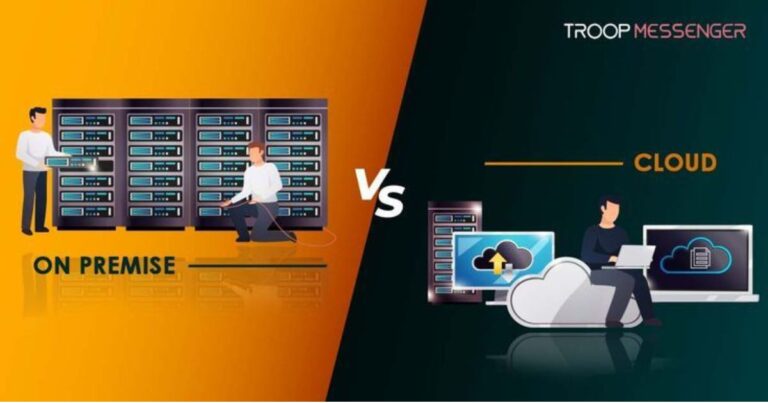
Cloud hosting is a type of web hosting where your website is hosted on a network of virtual servers instead of a single physical server. These servers are connected through the internet and work together to store and deliver your website data.
How It Differs from Traditional Hosting
In traditional hosting:
- Your website depends on one server
- If that server fails, your site goes offline
In cloud hosting:
- Your website is supported by multiple servers
- If one fails, another takes over instantly
This creates a more reliable and stable hosting environment.
How Cloud Hosting Works
Understanding how cloud hosting works doesn’t require advanced technical knowledge.
Virtualization Technology
Cloud hosting uses virtualization, which means:
- A single physical server is divided into multiple virtual environments
- Each environment acts like an independent server
Distributed Resources
Your website can use resources from multiple servers, including:
- CPU power
- RAM
- Storage
This ensures better performance and flexibility.
Load Balancing
Traffic is automatically distributed across servers to prevent overload.
Why Cloud Hosting Is Ideal for Beginners
Many beginners assume cloud hosting is only for experts—but that’s no longer true.
User-Friendly Platforms
Most modern cloud hosting providers offer:
- Simple dashboards
- One-click installations
- Guided setup processes
Scalability Without Complexity
You don’t need to predict your future needs. Cloud hosting allows you to:
- Start small
- Scale as your website grows
Cost Control
You can manage your budget effectively by paying only for what you use.
Types of Cloud Hosting
Not all cloud hosting solutions are the same.
Public Cloud
- Shared infrastructure
- Affordable
- Ideal for beginners
Private Cloud
- Dedicated environment
- Higher security
- More expensive
Hybrid Cloud
- Combines public and private cloud
- Offers flexibility and control
Key Benefits of Cloud Hosting
Cloud hosting offers several advantages that make it stand out.
High Reliability
Because your website is hosted on multiple servers:
- Downtime is minimized
- Failures are handled automatically
Scalability
You can easily:
- Add resources during traffic spikes
- Reduce resources when traffic drops
Performance
Cloud hosting delivers:
- Faster loading speeds
- Better user experience
Security
Features often include:
- Data encryption
- Firewalls
- Regular backups
Step-by-Step Guide to Getting Started
If you’re new to cloud hosting, follow these simple steps.
Step 1: Define Your Needs
Before choosing a provider, ask yourself:
- What type of website are you building?
- How much traffic do you expect?
- What is your budget?
Step 2: Choose a Cloud Hosting Provider
Look for providers that offer:
- High uptime guarantees
- Good customer support
- Transparent pricing
Step 3: Register a Domain Name
Your domain is your website’s address (e.g., www.yoursite.com).
Choose a name that is:
- Easy to remember
- Relevant to your content
- Unique
Step 4: Set Up Your Hosting Account
After selecting a provider:
- Create an account
- Choose a hosting plan
- Configure basic settings
Step 5: Install a Content Management System (CMS)
Most beginners use a CMS like:
- WordPress
- Joomla
- Drupal
Many providers offer one-click installation.
Step 6: Design Your Website
You can:
- Use pre-built templates
- Customize themes
- Add plugins for functionality
Step 7: Launch Your Website
Once everything is set up:
- Test your website
- Fix any issues
- Go live
Common Mistakes Beginners Should Avoid
Starting with cloud hosting can be smooth if you avoid these mistakes.
Choosing the Cheapest Option
Low-cost plans may lack:
- Performance
- Support
- Security
Ignoring Scalability
Always choose a plan that allows future growth.
Skipping Backups
Regular backups are essential to protect your data.
Understanding Pricing Models
Cloud hosting pricing can vary.
Pay-As-You-Go
You pay based on usage.
Fixed Plans
You pay a set monthly fee.
Hidden Costs
Be aware of:
- Data transfer fees
- Storage costs
- Additional services
Managing Your Cloud Hosting
Once your site is live, ongoing management is important.
Monitoring Performance
Track:
- Load times
- Traffic
- Server usage
Updating Software
Keep your CMS and plugins updated for:
- Security
- Performance
Regular Backups
Ensure your data is always protected.
Security Best Practices
Protecting your website should be a priority.
Use Strong Passwords
Avoid weak or common passwords.
Enable SSL Certificates
This encrypts data and builds trust.
Install Security Plugins
They help prevent attacks and vulnerabilities.
When to Upgrade Your Plan
As your website grows, your needs will change.
Signs You Need an Upgrade
- Slow loading times
- Increased traffic
- Resource limitations
Scaling Made Easy
Cloud hosting allows seamless upgrades without downtime.
Future Trends in Cloud Hosting
Cloud hosting continues to evolve.
Automation
More processes are becoming automated.
AI Integration
Artificial intelligence improves performance and security.
Global Expansion
More data centers mean better global reach.
Final Thoughts
Cloud hosting is no longer a complex or intimidating solution reserved for tech experts. It has become an accessible, flexible, and powerful option for beginners and professionals alike.
By understanding the basics, choosing the right provider, and following a structured approach, you can confidently get started with cloud hosting and build a strong foundation for your online presence.
Whether you’re launching your first website or transitioning from traditional hosting, cloud hosting offers the tools and scalability you need to succeed in today’s digital landscape.