Introduction
Choosing the right personal injury lawyer can be one of the most important decisions you make after an accident. While your immediate focus may be on recovery, the legal choices you make early on can significantly affect your financial future, your stress level, and the outcome of your case.
Not all lawyers are the same. Some may have years of experience but lack specialization. Others may advertise aggressively but fail to provide personalized attention. The difference between an average lawyer and the right lawyer can mean thousands—or even millions—of dollars in compensation.
This comprehensive guide will walk you through everything you need to know about selecting the right personal injury lawyer. From understanding qualifications and evaluating experience to recognizing red flags and asking the right questions, this article will equip you with the knowledge to make a confident, informed decision.
Why Choosing the Right Lawyer Matters
Impact on Your Compensation
A skilled personal injury lawyer understands how to calculate damages accurately, negotiate effectively, and present your case persuasively. This often results in significantly higher compensation compared to handling the claim alone or choosing an inexperienced attorney.
Reducing Stress During Recovery
Dealing with legal matters while recovering from an injury can be overwhelming. The right lawyer takes that burden off your shoulders, allowing you to focus on healing.
Avoiding Costly Mistakes
Legal errors, missed deadlines, and poor negotiation strategies can harm your case. A competent lawyer ensures everything is handled correctly from start to finish.
Understanding Personal Injury Law
What Personal Injury Lawyers Do
Personal injury lawyers represent individuals who have been injured due to someone else’s negligence. Their responsibilities include:
- Investigating the accident
- Gathering evidence
- Negotiating with insurance companies
- Representing clients in court
Types of Cases They Handle
A good personal injury lawyer should have experience in cases such as:
- Car accidents
- Workplace injuries
- Slip and fall incidents
- Medical malpractice
- Product liability
Key Qualities to Look For
Experience in Personal Injury Law
Experience is one of the most important factors. A lawyer who has handled many personal injury cases will understand the nuances of the legal system and know how to handle complex situations.
Strong Track Record
Look for a lawyer with proven results, including successful settlements and verdicts. Past performance can be a strong indicator of future success.
Specialization
Not all lawyers specialize in personal injury law. Choosing a specialist ensures that your lawyer is familiar with the latest laws, strategies, and industry practices.
Excellent Communication Skills
Your lawyer should be able to explain complex legal concepts in simple terms and keep you updated throughout the process.
Researching Potential Lawyers
Online Reviews and Testimonials
Client reviews can provide valuable insight into a lawyer’s reputation, professionalism, and success rate.
Professional Websites
A well-maintained website often reflects a lawyer’s professionalism and dedication.
Referrals and Recommendations
Friends, family, or colleagues who have had positive experiences can be a reliable source of recommendations.
Questions to Ask Before Hiring
How Much Experience Do You Have?
Ask about the number of years they have been practicing and their experience with cases similar to yours.
What Is Your Success Rate?
Understanding their track record helps you gauge their effectiveness.
Who Will Handle My Case?
In some firms, junior attorneys or paralegals handle most of the work. Make sure you know who will be responsible for your case.
How Do You Charge Fees?
Most personal injury lawyers work on a contingency fee basis, but it’s important to understand the percentage and any additional costs.
Understanding Fee Structures
Contingency Fees
This is the most common arrangement. You only pay if your lawyer wins your case.
Additional Costs
Ask about expenses such as court fees, expert witness fees, and administrative costs.
Transparency Is Key
A trustworthy lawyer will clearly explain all fees upfront.
Evaluating Communication and Availability
Responsiveness
Your lawyer should respond promptly to your calls and emails.
Clarity
They should explain legal terms and processes in a way that you understand.
Accessibility
Make sure your lawyer is available when you need them, especially during critical stages of your case.
Assessing Resources and Support
Team Strength
A strong legal team can provide additional support and expertise.
Access to Experts
Top lawyers often work with medical professionals, accident reconstruction specialists, and financial experts.
Technology and Tools
Modern tools can improve case management and evidence presentation.
Red Flags to Watch Out For
Guarantees of Success
No lawyer can guarantee a specific outcome. Be cautious of anyone who makes such promises.
Lack of Transparency
If a lawyer is unclear about fees or processes, it’s a warning sign.
Poor Communication
Delayed responses or vague answers can indicate future problems.
High-Pressure Tactics
Avoid lawyers who pressure you into making quick decisions.
The Importance of Initial Consultation
What to Expect
During the consultation, the lawyer will evaluate your case and explain your options.
Preparing for the Meeting
Bring all relevant documents, including:
- Medical records
- Accident reports
- Photos and videos
Evaluating the Lawyer
Use this opportunity to assess their professionalism, knowledge, and communication style.
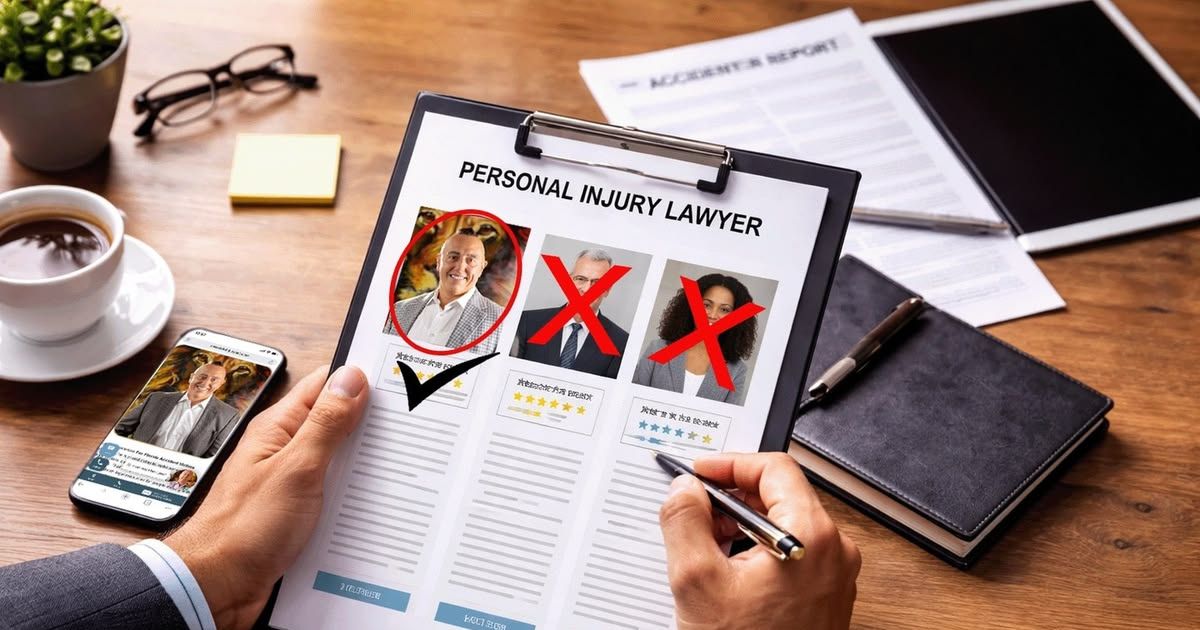
Comparing Multiple Lawyers
Don’t Settle for the First Option
It’s wise to consult with several lawyers before making a decision.
Weighing Pros and Cons
Consider factors such as experience, communication, fees, and overall comfort level.
Trust Your Instincts
Choose a lawyer you feel confident and comfortable working with.
Understanding the Legal Process
Case Evaluation
Your lawyer assesses the strength of your claim.
Investigation
Evidence is collected and analyzed.
Negotiation
Your lawyer negotiates with insurance companies.
Litigation
If necessary, the case goes to court.
The Role of Client-Lawyer Relationship
Building Trust
A strong relationship based on trust and transparency is essential.
Open Communication
Regular updates and honest discussions improve collaboration.
Following Advice
Your lawyer’s guidance is based on experience and should be taken seriously.
How the Right Lawyer Maximizes Your Claim
Accurate Valuation
They calculate the full value of your claim, including future expenses.
Strong Negotiation
Experienced lawyers know how to secure better settlements.
Effective Representation
They present your case convincingly in court if needed.
Common Mistakes to Avoid
Choosing Based on Price Alone
The cheapest option is not always the best.
Ignoring Experience
Experience often matters more than marketing.
Not Asking Questions
Failing to ask important questions can lead to poor decisions.
Long-Term Benefits of Choosing the Right Lawyer
Financial Security
Proper compensation helps you recover without financial strain.
Peace of Mind
Knowing your case is in good hands reduces stress.
Better Outcomes
The right lawyer increases your chances of success.
Frequently Asked Questions
How Long Does It Take to Choose a Lawyer?
Take your time to research and compare options before making a decision.
Can I Change Lawyers Later?
Yes, but it may complicate your case. It’s better to choose carefully from the start.
Do All Cases Go to Court?
No, most personal injury cases are settled out of court.
Final Checklist Before Hiring
- Verify experience and specialization
- Review past results
- Understand fee structure
- Assess communication skills
- Check reviews and references
Conclusion
Choosing the right personal injury lawyer is a decision that should not be taken lightly. The lawyer you select will play a crucial role in determining the outcome of your case, the level of stress you experience, and the compensation you ultimately receive.
By understanding what to look for, asking the right questions, and avoiding common mistakes, you can make an informed choice that benefits you both in the short term and long term.
Take your time, do your research, and trust your instincts. With the right personal injury lawyer by your side, you can navigate the legal process with confidence and achieve the best possible outcome for your case.