Introduction
In the digital-first economy of 2026, customer experience is no longer just a competitive advantage—it is the defining factor that determines whether a business grows or struggles. Customers today are more informed, more connected, and more demanding than ever before. They expect personalized interactions, seamless communication, and fast responses across every touchpoint.
At the same time, businesses face increasing pressure to convert leads into customers and maximize the value of every interaction. Achieving both exceptional customer experience and high conversion rates requires more than intuition—it requires data, structure, and automation. This is where Customer Relationship Management (CRM) systems come into play.
CRM systems have evolved into powerful platforms that unify customer data, streamline communication, and enable businesses to deliver personalized experiences at scale. When implemented correctly, CRM systems not only improve customer satisfaction but also significantly increase conversion rates and revenue.
This article explores in depth how CRM systems improve customer experience and drive higher conversions, covering key features, strategies, real-world applications, and future trends.
Understanding CRM Systems in Modern Business
What Is a CRM System?
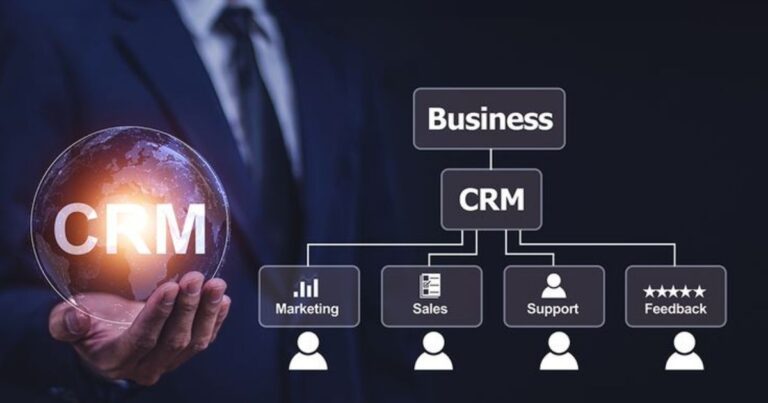
A CRM system is a technology platform designed to manage all interactions between a business and its customers. It centralizes customer data, tracks communication history, and automates workflows across sales, marketing, and customer support.
CRM systems act as a single source of truth, ensuring that every team member has access to accurate and up-to-date information about customers.
The Evolution of CRM
CRM systems have come a long way from simple contact management tools. In 2026, they incorporate:
- Artificial intelligence
- Predictive analytics
- Omnichannel communication
- Automation and workflow management
These advancements allow businesses to deliver highly personalized and efficient customer experiences.
Why Customer Experience Matters More Than Ever
Customer experience directly impacts:
- Customer satisfaction
- Brand loyalty
- Conversion rates
- Revenue growth
Businesses that prioritize customer experience consistently outperform competitors in both retention and acquisition.
The Connection Between Customer Experience and Conversions
What Is Customer Experience?
Customer experience refers to the overall perception a customer has of a business based on all interactions throughout the customer journey.
What Are Conversions?
Conversions occur when a potential customer takes a desired action, such as:
- Making a purchase
- Signing up for a service
- Subscribing to a newsletter
How They Are Connected
A positive customer experience builds trust and reduces friction, making customers more likely to convert. Conversely, a poor experience can drive potential customers away.
CRM systems bridge the gap by ensuring consistent, personalized, and efficient interactions.
Key Ways CRM Systems Improve Customer Experience
Centralized Customer Data
One of the most significant advantages of CRM systems is the ability to store all customer data in one place.
Benefits
- Easy access to customer history
- Better understanding of customer needs
- Consistent communication across teams
Personalization at Scale
CRM systems enable businesses to tailor interactions based on customer data.
Examples
- Personalized email campaigns
- Product recommendations
- Customized offers
Personalization makes customers feel valued, which enhances satisfaction and loyalty.
Omnichannel Communication
Modern CRM systems integrate multiple communication channels, including:
- Phone
- Social media
- Live chat
This ensures that customers can interact with businesses through their preferred channels.
Faster Response Times
CRM systems streamline workflows and provide instant access to information, allowing teams to respond quickly to customer inquiries.
Proactive Customer Support
With CRM data, businesses can anticipate customer needs and address issues before they escalate.
How CRM Systems Drive Higher Conversions
Improved Lead Management
CRM systems help businesses capture, organize, and nurture leads effectively.
Key Features
- Lead tracking
- Lead scoring
- Automated follow-ups
These features ensure that high-quality leads receive the attention they deserve.
Streamlined Sales Processes
CRM tools provide a clear view of the sales pipeline, helping teams manage deals efficiently.
Benefits
- Reduced bottlenecks
- Better forecasting
- Higher close rates
Data-Driven Decision Making
CRM analytics provide insights into customer behavior and campaign performance.
Examples
- Identifying high-converting channels
- Optimizing marketing campaigns
- Refining sales strategies
Automation of Repetitive Tasks
Automation frees up time for teams to focus on high-value activities.
Tasks That Can Be Automated
- Email sequences
- Appointment scheduling
- Data entry
Enhanced Customer Trust
Consistent and personalized interactions build trust, which is a critical factor in conversions.
Essential CRM Features That Impact Customer Experience and Conversions
Contact and Interaction Management
Store and track all customer interactions in one place.
Marketing Automation
Automate campaigns and nurture leads effectively.
Sales Pipeline Management
Visualize and manage the entire sales process.
Customer Support Tools
Provide efficient and timely support.
Analytics and Reporting
Measure performance and identify opportunities for improvement.
Mobile Accessibility
Access CRM data anytime, anywhere.
Practical Use Cases of CRM in Different Industries
E-Commerce
CRM systems help track customer behavior and personalize shopping experiences.
Benefits
- Higher conversion rates
- Increased average order value
- Improved customer retention
Service-Based Businesses
Manage client relationships and improve service delivery.
Benefits
- Better scheduling
- Enhanced communication
- Increased client satisfaction
B2B Companies
CRM systems streamline complex sales processes.
Benefits
- Better lead management
- Improved collaboration
- Higher deal closure rates
Strategies to Maximize CRM Impact
Segment Your Audience
Divide customers into segments based on:
- Behavior
- Preferences
- Purchase history
This allows for targeted marketing and improved engagement.
Use Data for Personalization
Leverage CRM data to deliver relevant content and offers.
Automate Wisely
Focus on automating high-impact processes without losing the human touch.
Align Sales and Marketing Teams
Ensure both teams work together using the same data and goals.
Continuously Optimize
Regularly analyze performance and adjust strategies.
Common Mistakes to Avoid
Over-Automation
Too much automation can make interactions feel impersonal.
Poor Data Quality
Inaccurate data leads to ineffective strategies.
Lack of Training
Teams must understand how to use CRM systems effectively.
Ignoring Customer Feedback
Customer insights are essential for continuous improvement.
Measuring Success: Key Metrics
Customer Experience Metrics
- Customer satisfaction (CSAT)
- Net Promoter Score (NPS)
- Customer effort score
Conversion Metrics
- Conversion rate
- Lead-to-customer ratio
- Sales cycle length
Financial Metrics
- Customer lifetime value (CLV)
- Revenue growth
- Return on investment (ROI)
The Role of AI in CRM Systems
Predictive Analytics
AI helps predict customer behavior and identify opportunities.
Intelligent Automation
Automate complex workflows with minimal human intervention.
Chatbots and Virtual Assistants
Provide instant support and improve response times.
Personalization Engines
Deliver highly targeted content and recommendations.
Future Trends in CRM and Customer Experience
Hyper-Personalization
Businesses will deliver experiences tailored to individual customers in real time.
Voice and Conversational Interfaces
Voice assistants will become more integrated into CRM systems.
Real-Time Data Processing
Instant insights will enable faster decision-making.
Integration with Emerging Technologies
CRM systems will connect with technologies like IoT and advanced analytics platforms.
Implementing a CRM System Successfully
Define Clear Objectives
Understand what you want to achieve with CRM.
Choose the Right Platform
Select a CRM that fits your business needs.
Train Your Team
Ensure proper onboarding and continuous training.
Monitor Performance
Track key metrics and adjust strategies.
Scale Gradually
Start with essential features and expand over time.
Real-World Example Scenario
Imagine a small e-commerce business implementing a CRM system:
- Customer data is centralized
- Automated email campaigns are launched
- Personalized product recommendations are provided
- Customer support is streamlined
Results:
- Increased customer satisfaction
- Higher conversion rates
- Improved customer retention
Conclusion
CRM systems are powerful tools that transform how businesses interact with customers. By centralizing data, enabling personalization, and automating processes, CRM systems significantly improve customer experience.
At the same time, these improvements directly impact conversion rates. Better experiences lead to stronger relationships, increased trust, and ultimately more sales.
In 2026, businesses that invest in CRM systems and use them strategically will be better positioned to meet customer expectations, outperform competitors, and achieve sustainable growth.
Improving customer experience and driving higher conversions are no longer separate goals—they are deeply interconnected. CRM systems provide the bridge that connects them, making them an essential component of any successful business strategy.