Introduction
Accidents happen when you least expect them, often leaving you overwhelmed, injured, and unsure of what to do next. Whether it’s a car crash, workplace injury, slip and fall, or medical negligence, the aftermath can be physically, emotionally, and financially draining. Medical bills pile up, income may be lost, and dealing with insurance companies can feel like a full-time job.
This is where a personal injury lawyer becomes essential. Many people underestimate the value of professional legal representation, assuming they can handle claims on their own. However, without proper legal knowledge, you may end up settling for far less than you deserve.
Maximizing your claim isn’t just about filing paperwork—it’s about strategy, negotiation, and understanding the legal system. A personal injury lawyer ensures that every aspect of your case is handled effectively, giving you the best possible chance at receiving full compensation.
Understanding Personal Injury Claims
What Is a Personal Injury Claim?
A personal injury claim arises when someone suffers harm due to another party’s negligence or intentional actions. The goal of such a claim is to recover compensation for damages suffered.
These damages can include:
- Medical expenses
- Lost wages
- Pain and suffering
- Emotional distress
- Property damage
Types of Personal Injury Cases
Personal injury law covers a wide range of incidents, including:
Car Accidents
One of the most common claims, often involving insurance companies and liability disputes.
Workplace Injuries
Employees injured on the job may be entitled to compensation beyond workers’ compensation in some cases.
Slip and Fall Accidents
Property owners can be held liable for unsafe conditions.
Medical Malpractice
When healthcare providers fail to meet the standard of care, resulting in harm.
Product Liability
Defective products causing injury can lead to claims against manufacturers or distributors.
Why Hiring a Personal Injury Lawyer Matters
Legal Expertise
A personal injury lawyer understands the complexities of the law, including statutes of limitations, liability rules, and compensation structures. Without this knowledge, you risk making mistakes that could reduce or eliminate your claim.
Accurate Claim Valuation
Many victims underestimate the true value of their claims. A lawyer evaluates:
- Current and future medical costs
- Lost earning capacity
- Non-economic damages
Negotiation with Insurance Companies
Insurance companies are businesses focused on minimizing payouts. A skilled lawyer knows their tactics and negotiates aggressively on your behalf.
Representation in Court
If a fair settlement cannot be reached, your lawyer will take your case to court and advocate for your rights.
Steps to Maximize Your Personal Injury Claim
Seek Immediate Medical Attention
Your health should always be your top priority. Prompt medical care not only ensures your well-being but also provides documented evidence of your injuries.
Document Everything
Strong evidence is key to maximizing your claim. Be sure to collect:
- Medical records
- Photos of injuries and accident scenes
- Witness statements
- Police reports
Avoid Speaking to Insurance Adjusters Alone
Insurance adjusters may try to get statements that weaken your case. Always consult your lawyer before providing any information.
Follow Medical Advice
Failure to follow treatment plans can be used against you. Insurance companies may argue that your injuries are not severe.
Hire a Personal Injury Lawyer Early
The sooner you involve a lawyer, the better your chances of building a strong case.
How Personal Injury Lawyers Build Strong Cases
Investigation and Evidence Gathering
Lawyers conduct thorough investigations, which may include:
- Accident reconstruction
- Expert testimony
- Surveillance footage analysis
Establishing Liability
Proving negligence requires demonstrating:
- Duty of care
- Breach of duty
- Causation
- Damages
Calculating Damages
A comprehensive calculation ensures that no losses are overlooked.
Common Mistakes That Reduce Claim Value
Delaying Medical Treatment
Waiting too long to seek care can weaken your case.
Accepting Early Settlement Offers
Initial offers are often much lower than what you deserve.
Posting on Social Media
Your posts can be used as evidence against you.
Not Hiring a Lawyer
Handling a claim alone often results in lower compensation.
The Role of Evidence in Maximizing Compensation
Medical Records
These are the foundation of your claim.
Expert Witnesses
Experts can validate the extent of your injuries and future impact.
Witness Testimonies
Eyewitness accounts strengthen your case.
Physical Evidence
Photos and videos provide undeniable proof.
Negotiation Strategies Used by Personal Injury Lawyers
Demand Letters
Lawyers present detailed demands outlining damages and compensation expectations.
Counteroffers
Negotiations often involve multiple rounds before reaching a fair settlement.
Litigation Threat
The willingness to go to court can pressure insurers to settle fairly.
Understanding Compensation Types
Economic Damages
- Medical bills
- Rehabilitation costs
- Lost income
Non-Economic Damages
- Pain and suffering
- Emotional distress
Punitive Damages
Awarded in cases of extreme negligence or misconduct.
How Long Does a Personal Injury Claim Take?
Factors Affecting Timeline
- Complexity of the case
- Severity of injuries
- Willingness to settle
- Court schedules
Typical Timeline
Cases can take anywhere from a few months to several years.
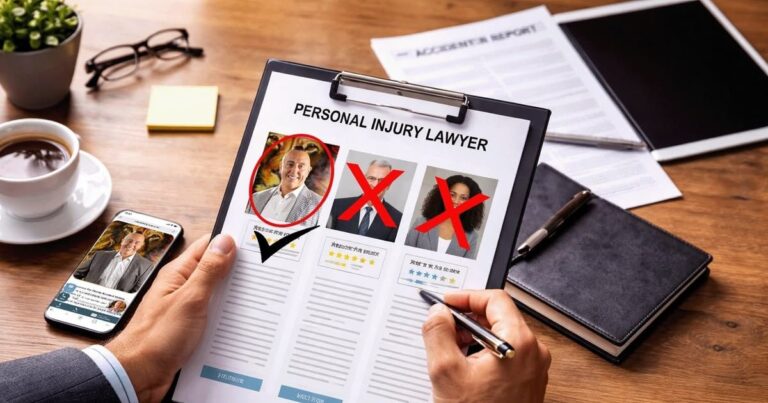
Choosing the Right Personal Injury Lawyer
Experience and Specialization
Choose a lawyer with a strong track record in personal injury cases.
Reputation
Client reviews and case results matter.
Communication
Your lawyer should keep you informed at every step.
Fee Structure
Most personal injury lawyers work on a contingency fee basis, meaning you only pay if you win.
What to Expect During the Legal Process
Initial Consultation
Your lawyer evaluates your case and explains your options.
Filing the Claim
Legal documents are prepared and submitted.
Discovery Phase
Both sides exchange evidence and information.
Settlement or Trial
Most cases settle, but some proceed to trial.
Benefits of Maximizing Your Claim
Financial Stability
Full compensation helps cover all expenses.
Peace of Mind
You can focus on recovery without financial stress.
Accountability
Holding negligent parties responsible promotes safer behavior.
Conclusion
Maximizing your claim with a personal injury lawyer is one of the most important decisions you can make after an accident. While it may be tempting to handle things on your own, the risks often outweigh the benefits.
A skilled lawyer brings expertise, negotiation power, and legal strategy to your case, ensuring that you receive the compensation you truly deserve. From gathering evidence to dealing with insurance companies and representing you in court, their role is critical at every stage.
If you’ve been injured due to someone else’s negligence, don’t settle for less. Seek professional legal help, protect your rights, and take the necessary steps to secure your future.